Showroom

Pharmaceutical Injection
(87)
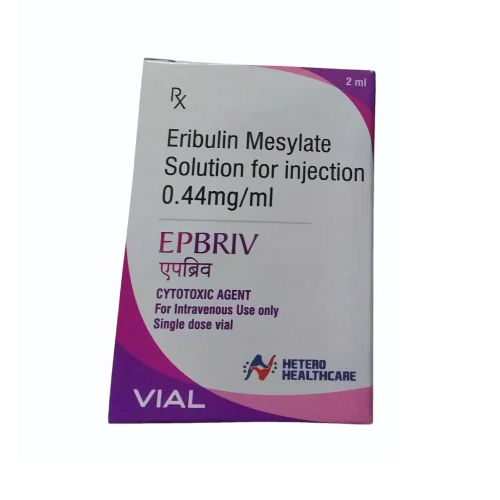
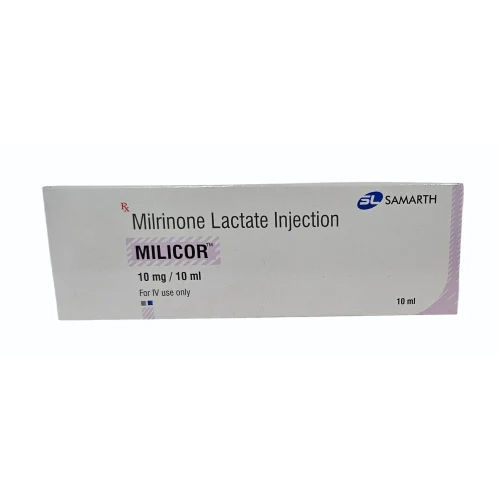
Pharmaceutical injections are fast-acting, sterile drugs that are injected straight into the body using infusion devices or syringes. They come in forms including intravenous, intramuscular, and subcutaneous and are used for quick treatment, vaccinations, anaesthesia, and the management of chronic diseases. Sterility, precise dosage, appropriate storage, and skilled delivery are important factors.

Pharmaceutical Tablets
(41)
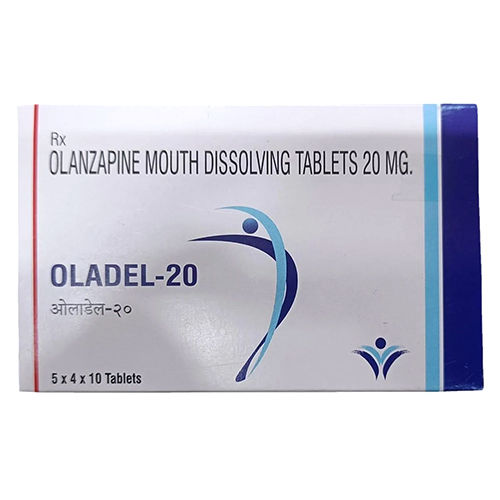
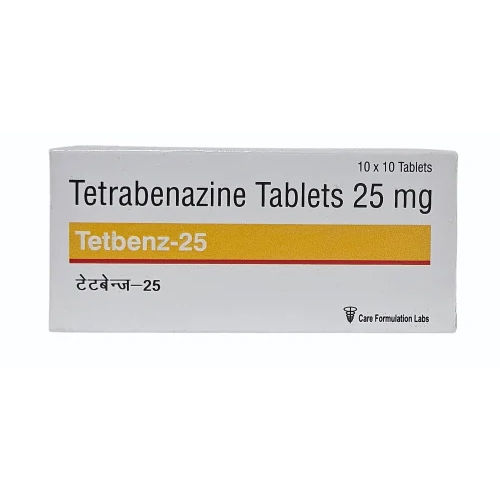
Pharmaceutical Tablets are solid oral dose forms that are used to provide drugs for both acute and chronic illnesses in a convenient and controlled manner. Applications include cardiovascular and metabolic treatments as well as pain management. Chewable, coated, effervescent, and extended-release tablets are among the varieties. Stability, precise dosage, simplicity of administration, and patient compliance are important variables.

Pharmaceutical Capsules
(16)
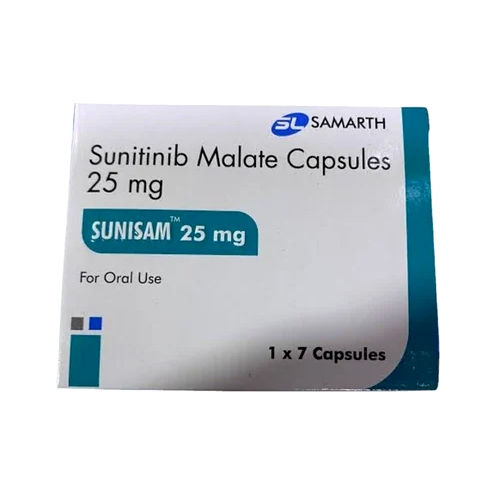
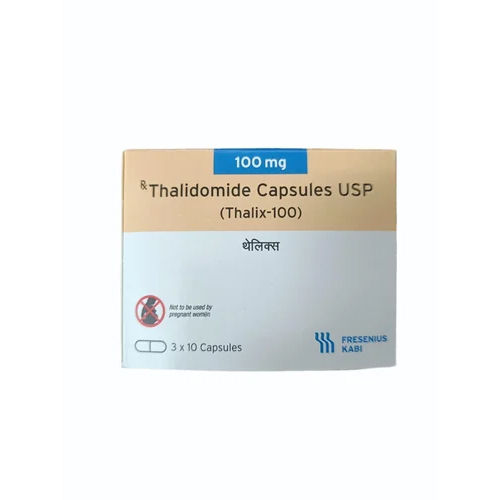
Solid oral dosage forms called Pharmaceutical Capsules are used to administer exact dosages of medication for a range of therapeutic purposes. They are available as hard-gelatin or soft-gel capsules and are frequently used in pain relief, antibiotics, and nutritional supplements. Easy swallowing, safeguarding delicate chemicals, possibilities for controlled release, and precise dosage are important features.

Orthopaedic Trauma Implant
(5)
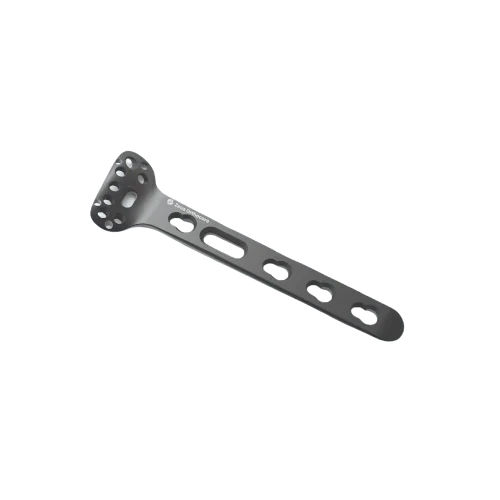
Specialised medical equipment called Orthopaedic Trauma Implants is used to stabilise and fix broken or damaged bones. Plates, screws, nails, and external fixators are used in trauma surgery to treat fractures, deformities, and joint reconstruction. Biocompatibility, strength, precise construction, and guaranteeing appropriate alignment and healing of bone structures are important elements.

Surgical Products
(7)
Surgical items are tools and equipment used to carry out surgical procedures in a safe and efficient manner. Scalpels, forceps, sutures, drapes, and sterilisation supplies are used in general, orthopaedic, cardiac, and minimally invasive operations. For dependable surgical results, precision, sterility, durability, and adherence to medical standards are important factors.

Anti Cancer Medicine
(2)
Drugs used to stop, manage, or eradicate cancer cells are known as anti-cancer medications. These consist of hormone therapy, immunotherapy, targeted therapy, and chemotherapy. These therapies can be used singly or in combination to reduce tumour size, halt the spread of cancer, or strengthen the immune system. Cancer kind, stage, patient status, and therapy objectives all influence the decision.

Bone Cement
(1)
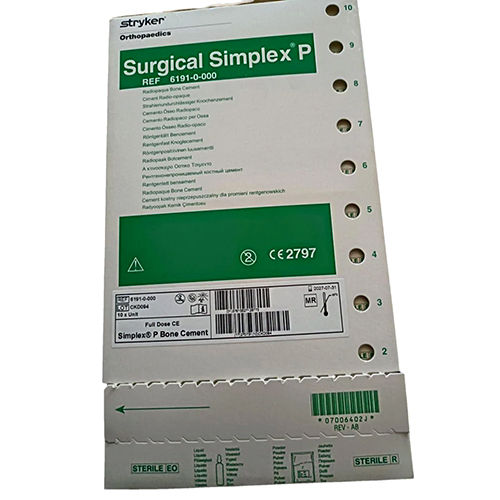
A medicinal substance called bone cement is used in orthopaedic operations to fill up bone deficiencies and anchor implants. It is frequently used in fracture treatment and joint replacement. PMMA and calcium-based cements are two examples of its forms. It promotes long-term implant performance and bone healing by offering stability, quick hardening, and robust fixation.

Skin Care Cream
(1)
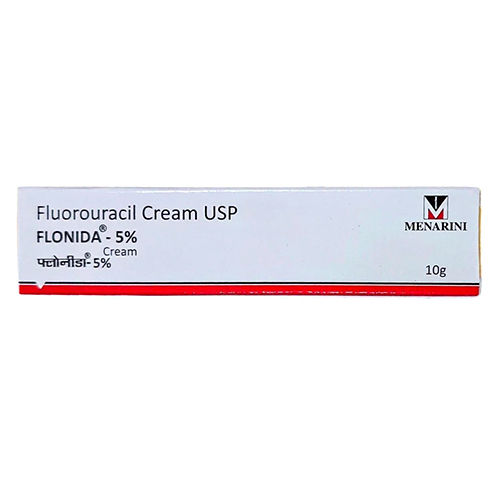
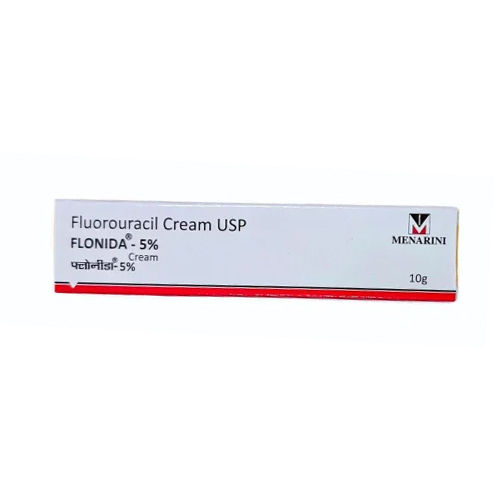
Topical formulations for moisturising, protecting, and enhancing skin health are called skin care creams. They include kinds such moisturisers, sunscreens, anti-wrinkle creams, and medicinal creams that are used for hydration, anti-aging, sun protection, and treating skin disorders. Frequent application improves the texture of the skin, keeps it from drying out, and helps the skin barrier function as a whole.

Oral Solution
(2)
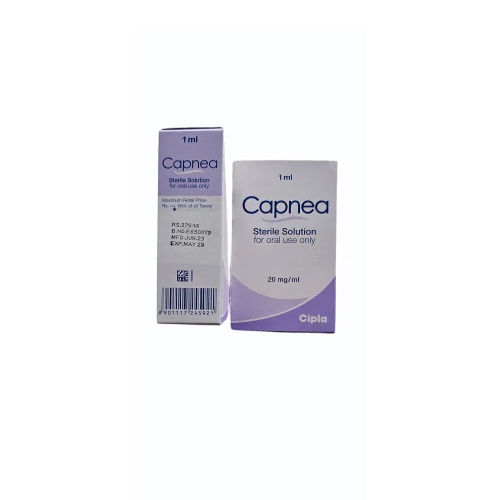
Oral solutions are liquid medications that are intended to be taken immediately, ensuring convenient and rapid absorption. They include syrups, elixirs, and suspensions that are used to treat chronic ailments, malnourishment, and infections. They offer precise administration, rapid effects, and improved patient compliance when compared to solid dose forms, making them more convenient for patients of all ages.

Contrast Agent
(1)
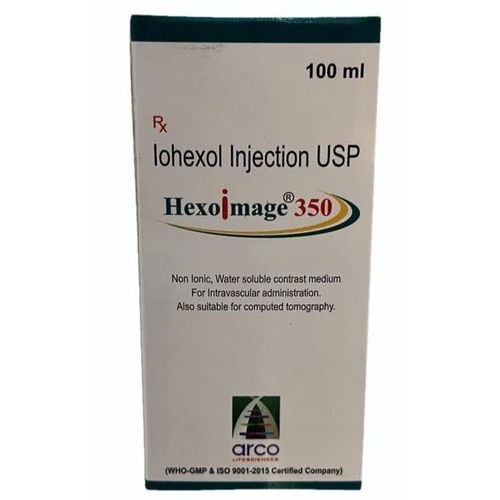
During medical imaging, contrast chemicals enhance the visibility of organs, blood vessels, and tissues. They include iodine-based, gadolinium-based, and microbubble kinds that are used in MRI, CT, X-ray, and ultrasound. Accurate diagnosis and reducing patient risks depend on careful assessment of safety, dosage, and selection.

Worm Infection Medicine
(1)
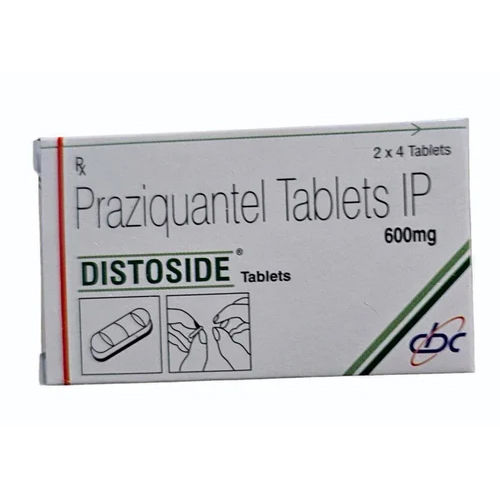
Worm infection medicines target and eliminate parasitic worms in humans and animals. They work by disrupting worm metabolism or immobilizing them for removal. Used in healthcare, veterinary care, agriculture, and public health programs, these treatments help control soil-transmitted helminths, improve sanitation outcomes, and prevent widespread parasitic infestations across diverse environments.

Needle
(1)
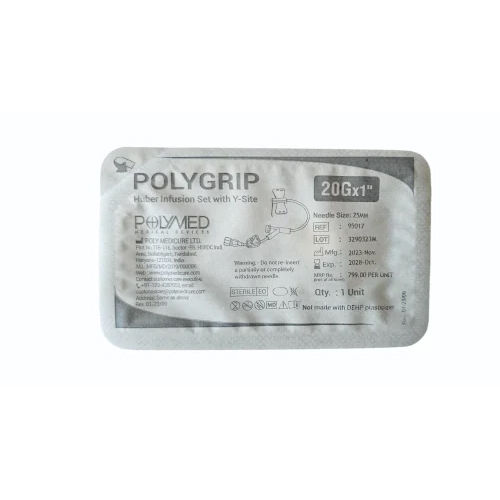
A single-use medical needle made from sterilized stainless steel, typically in 20G size, ensures safe, precise fluid delivery or sample withdrawal. Suitable for clinical procedures, vaccinations, and laboratory applications, it supports hospitals, diagnostics, and pharmaceutical industries, offering reliable penetration, reduced contamination risk, and consistent performance in routine medical workflows.

Skin Care Products
(1)
Skin care products nourish, protect, and rejuvenate the skin through cleansing, hydration, exfoliation, and targeted treatments. Used in personal care, dermatology, cosmetics, and wellness industries, they address concerns like dryness, aging, and sensitivity. Applied daily, they enhance skin health, support barrier function, and promote a radiant, balanced complexion everyday care.

Bevacizumab
(1)
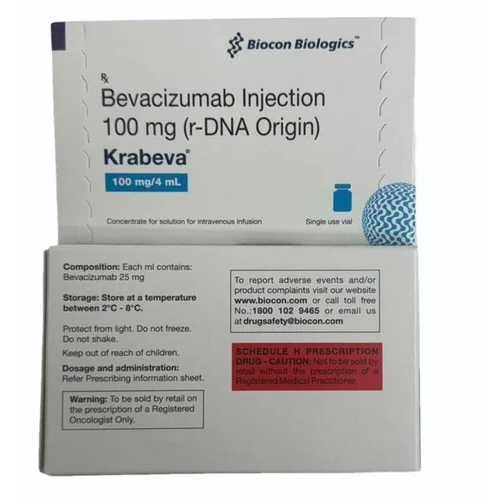
Bevacizumab is a biologic anti-angiogenic drug that stops blood vessel growth in different types of cancer. It works as a monoclonal antibody that targets VEGF. This drug plays an important role in cancer treatment and biopharmaceuticals. Used in carefully monitored clinical settings, it improves treatment plans and provides targeted therapy for better disease management and research progress.

Antiviral Medicine
(1)
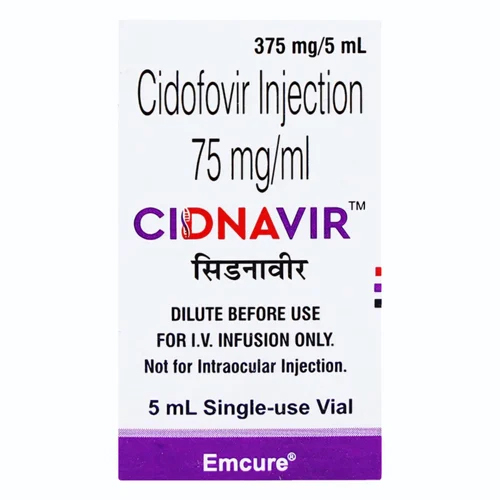
Antiviral medicines stop viruses from multiplying to treat infections like influenza, HIV, hepatitis, and new viral diseases. They work by blocking the virus's entry, replication, or release. These drugs are often used in healthcare, pharmaceuticals, and research. They assist with clinical therapy, control outbreaks, and offer preventive care. This improves patient outcomes and strengthens global management of infectious diseases.

Bone Marrow Biopsy Needle
(1)
A precision medical instrument called a bone marrow biopsy needle is used to remove marrow samples in order to diagnose blood diseases and malignancies. It supports pathology, oncology, and hospital systems and is intended for safe, controlled use. It guarantees accurate tissue collection during clinical operations, supporting assessment, research, and patient care in a variety of healthcare settings.

Urology Products
(1)
Urology products encompass medical devices and instruments designed for diagnosing, treating, and managing urinary tract and kidney conditions. Used in hospitals, clinics, and research, they include catheters, stents, and diagnostic tools. Essential for urologists, these products enhance patient care, support minimally invasive procedures, and advance urinary health management across healthcare industries.

Hydrocephalus Shunt
(1)
Medical devices called Hydrocephalus Shunts are used to treat the brain's excess cerebrospinal fluid and stop pressure-related brain damage. They improve patient outcomes by enabling precise fluid drainage, and they are widely utilised in hospitals and neurosurgery centres. These shunts are vital for important neurological treatment and long-term brain health in neurology and paediatric care.

Heart Attack Treatement
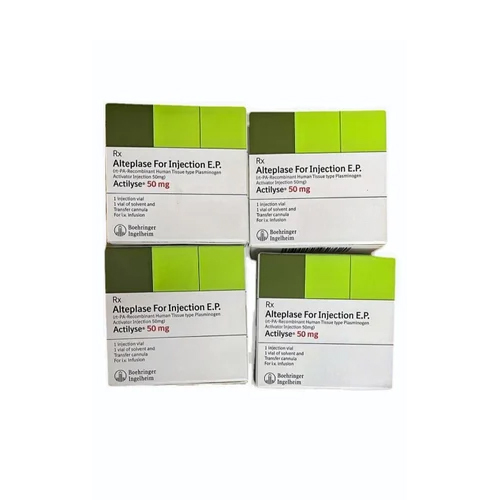
(1)
Medication, surgery, and emergency measures aimed at minimising heart damage and restoring blood flow are all part of heart attack therapies. These solutions are used in emergency rooms, hospitals, and cardiac centres to reduce risk factors, enhance rehabilitation, and save lives. They assist critical care, long-term cardiovascular management, and patient health, making them indispensable in cardiology.

Remdesivir
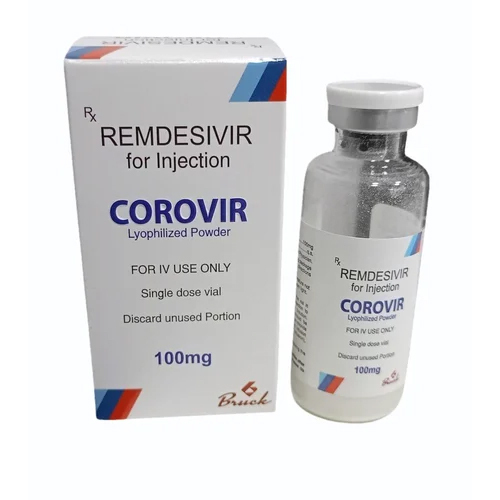
(1)
By preventing viral replication, the antiviral drug remdesivir is used to treat serious viral infections, such as COVID-19. It is widely used in clinics, hospitals, and research to promote patient recovery, lessen the severity of illness, and support critical care management. It promotes therapeutic therapies and pandemic response initiatives and is crucial to the pharmaceutical and healthcare sectors.

Skin Stapler
(1)
A Skin Stapler is a medical tool used to swiftly and effectively seal lacerations or surgical incisions. It guarantees accurate wound closure, lowers the danger of infection, and expedites recovery. It is frequently used in hospitals, clinics, and emergency care. extensively used in veterinary treatments, trauma care, and surgery in the healthcare sector.

Hormone Replacement Therapy
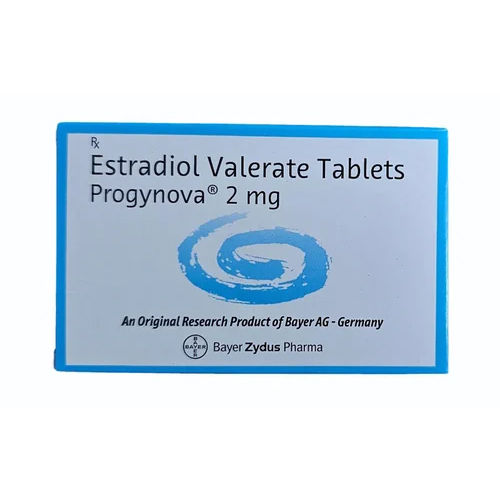
(1)
Hormone Replacement Therapy (HRT) involves supplementing hormones to restore balance, alleviating symptoms of menopause, aging, or hormonal disorders. Widely used in healthcare, wellness, and cosmetic industries, HRT supports metabolic, reproductive, and mental health. Its applications span clinics, pharmaceuticals, and personalized wellness programs, enhancing quality of life safely and effectively.

Laproscopic Product
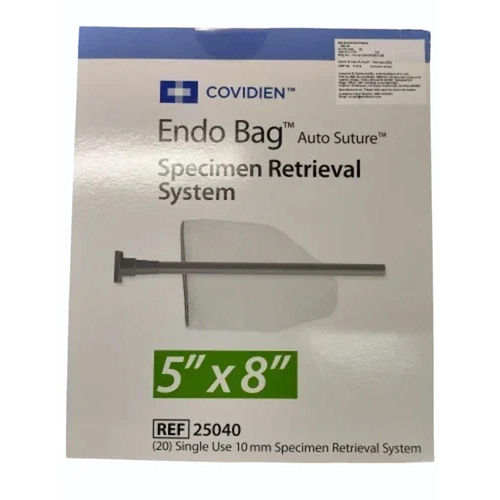
(1)
Advanced surgical tools called laparoscopic products are used for minimally invasive operations that lower surgical risks and recuperation times. These include graspers, scopes, and trocars, which are crucial in medical facilities, hospitals, and surgery centres. These instruments improve accuracy, productivity, and patient safety in contemporary medical procedures when used in gynaecology, urology, and general surgery.

Anti Cancer Medicines
(1)
Anti-cancer medicines are pharmaceutical drugs formulated to prevent, slow, or destroy cancerous cells. Used in oncology, hospitals, and research centers, they function through chemotherapy, targeted therapy, or immunotherapy. Essential in healthcare and pharmaceutical industries, these medicines improve survival rates, manage symptoms, and support cancer treatment protocols across diverse clinical applications.

Breast Cancer Treatement
(1)
Hormonal, chemotherapy, radiation, surgery, and targeted therapies are all used in the treatment of breast cancer with the goal of managing or eliminating malignant breast cells. It is extensively utilised in hospitals, oncology clinics, and research companies and is essential to the pharmaceutical and healthcare sectors. It promotes survival, lowers recurrence, and enhances patient quality of life.

Bacterial Infection Injections
(1)
Bacterial Infection Injections are specialized medical formulations to prevent or treat bacterial infections. Widely used in healthcare, veterinary, and pharmaceutical industries, they function by targeting harmful bacteria, boosting recovery, and reducing infection risks. Essential in hospitals, clinics, and livestock management, they ensure effective disease control and promote overall health.

Huntington's Disease Treatement
(1)
Huntington's illness Advanced therapies and drugs are used in treatments to control symptoms and slow the course of the illness. They enhance quality of life, cognitive function, and motor function when used in the pharmaceutical and healthcare industries. These therapies, which are used in clinics, hospitals, and research facilities, help patients and promote advancements in the treatment of neurodegenerative diseases.

Heart Failure Medicine
(1)
Heart failure medications are specialised medications intended to improve cardiac function, lower fluid accumulation, and improve patient quality of life in order to manage and treat heart failure. They promote cardiovascular health, avoid problems, and are essential for managing chronic diseases and critical care applications. They are widely utilised in hospitals, clinics, and the pharmaceutical industry.

Surgical Disposables
(3)
Surgical Disposables are single-use medical supplies made to guarantee efficiency, safety, and hygienic practices. They include gloves, drapes, syringes, and tools that are used in clinics, hospitals, and diagnostic facilities. They are essential to the pharmaceutical and healthcare sectors because they reduce the risk of infection, optimise operations, and promote sterile, superior patient care.


Back to top